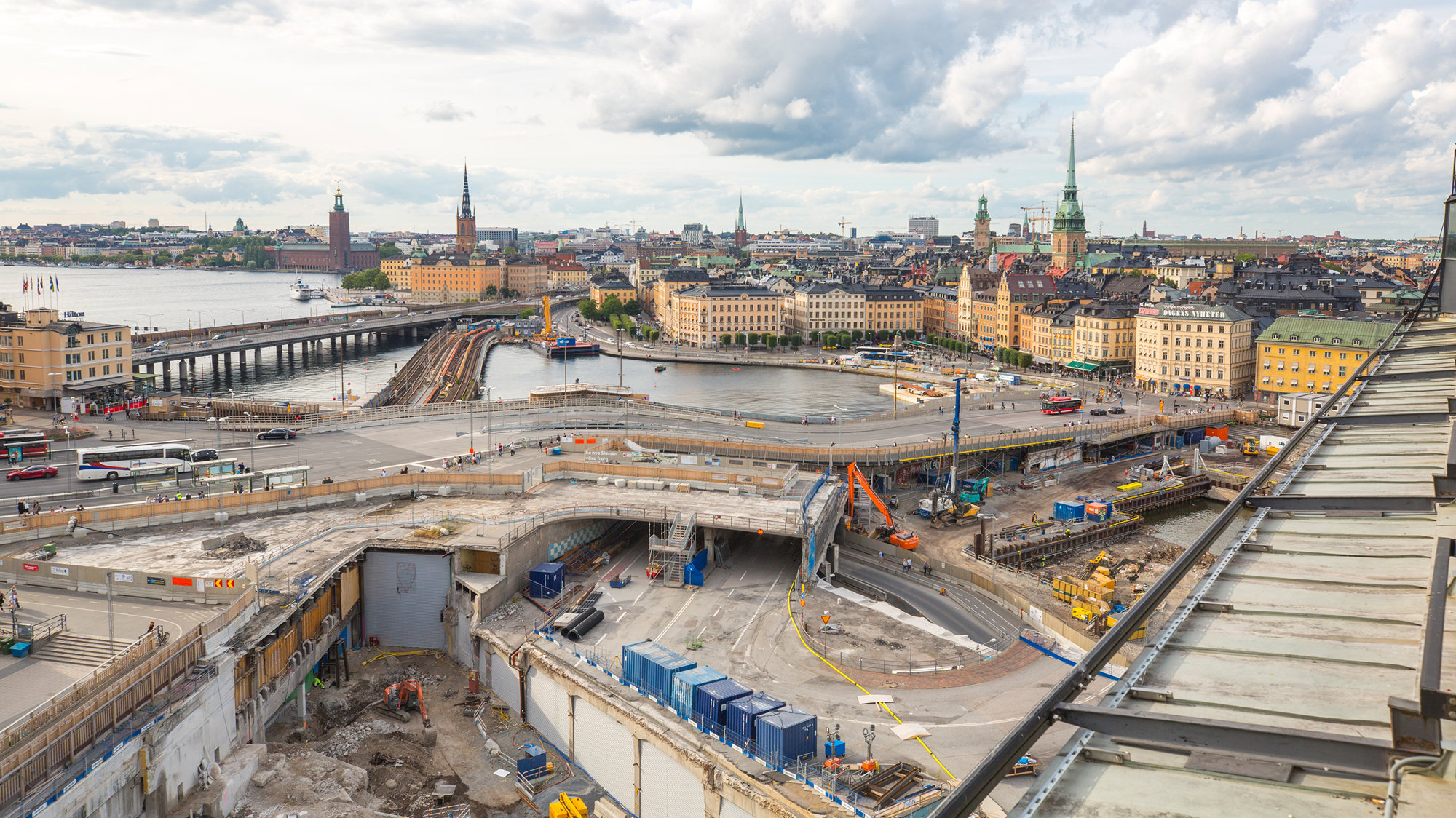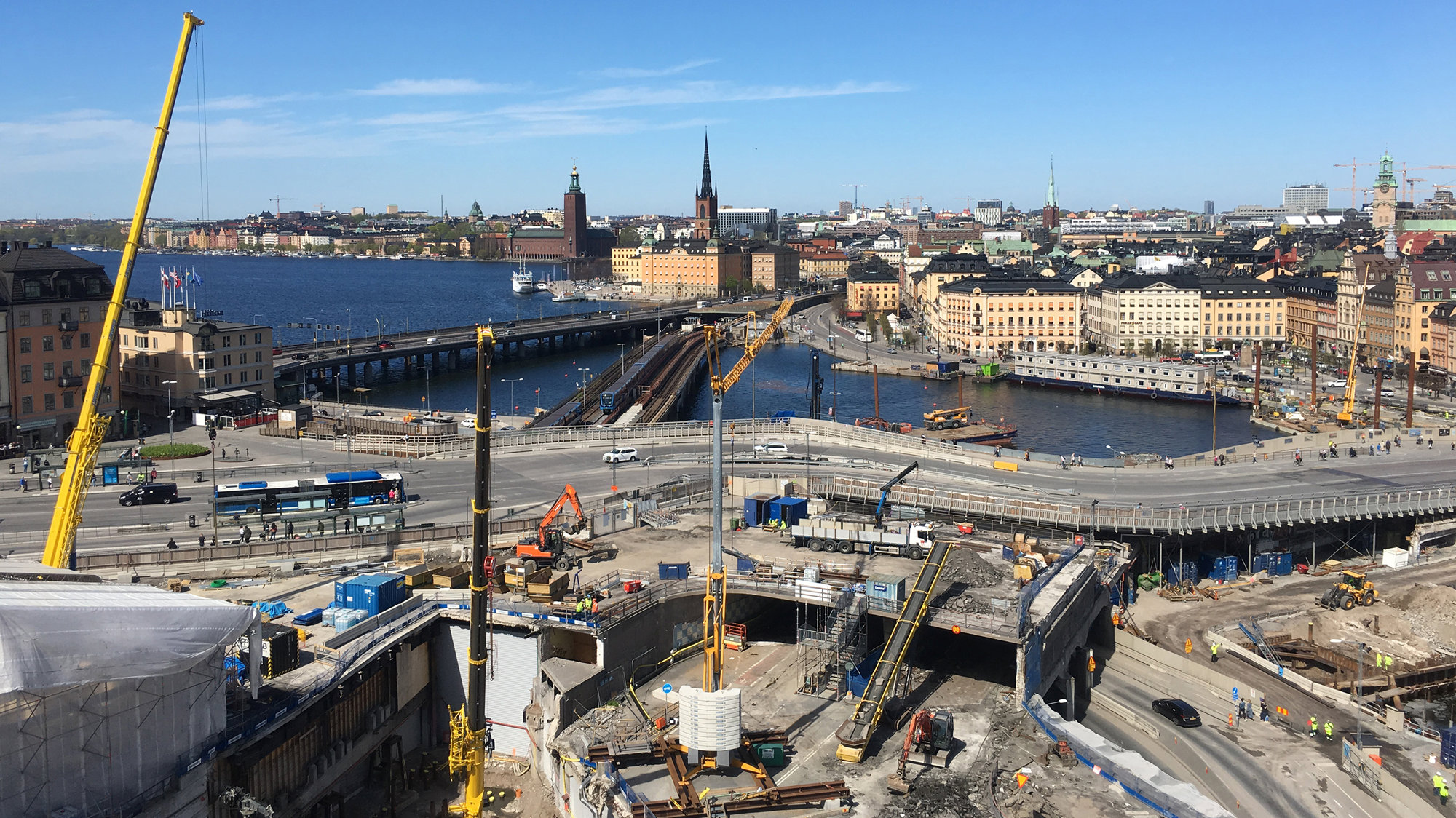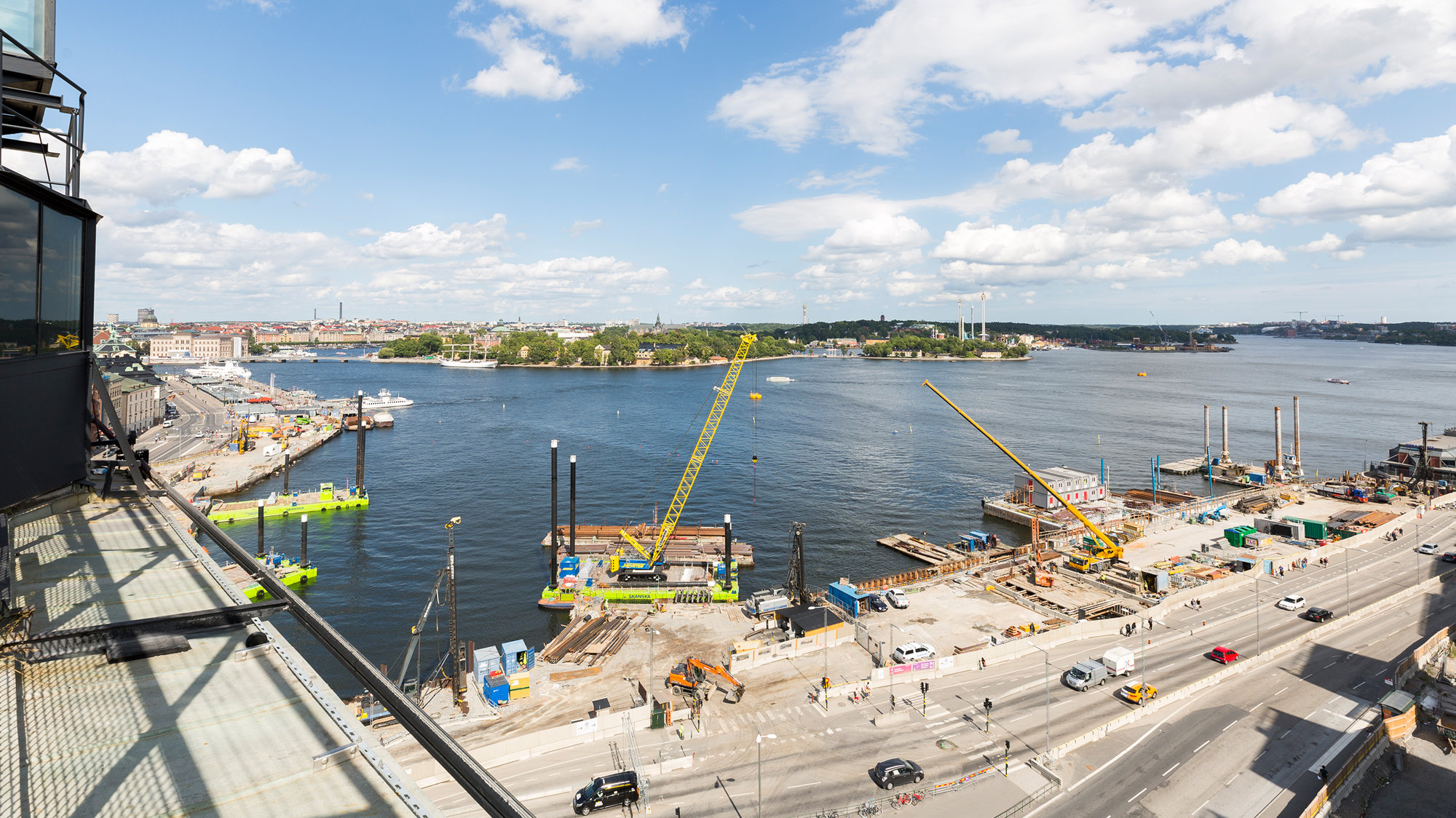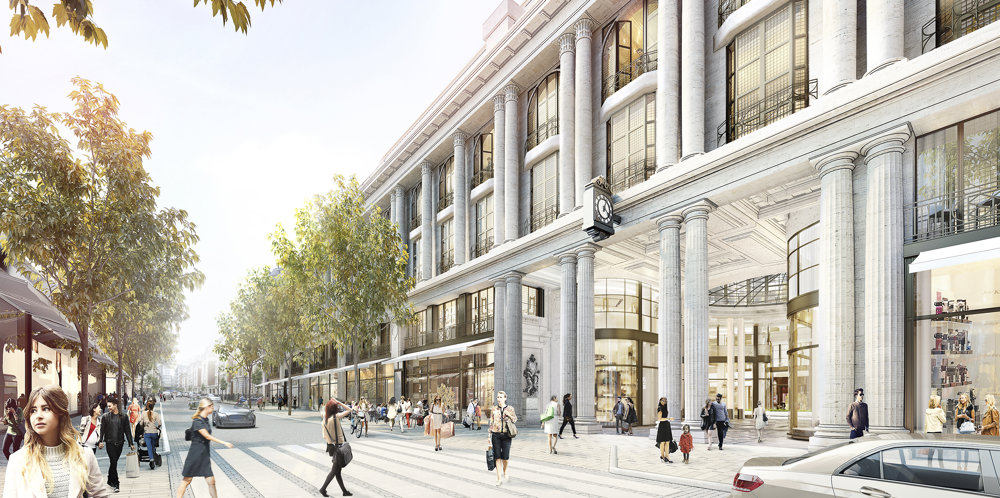


The construction of the New Slussen is one of the largest urban transformation and retrofit projects in Sweden. Working in collaboration with the City of Stockholm, the SEK 12 billion project seeks to create a dynamic urban quarter, responding to its historic context and transforming the city centre.
Slussen, built in 1642, is the lock that separates the sea from the fresh water of Lake Mälaren. In 1935 the lock was extensively covered by Lundborg’s and William-Olsson’s “four-leaf clover” concrete road structure and had become dangerously eroded. The catalyst for the project was an urgent need to replace this dilapidated water and transport infrastructure. The masterplan addresses these infrastructural issues, while enhancing the public realm. A new civic quarter for all, it provides state of the art transport links alongside prominent new public buildings – animated by new restaurants, cafes, and cultural amenities.
The project has opened in several phases to retain the city’s movement.
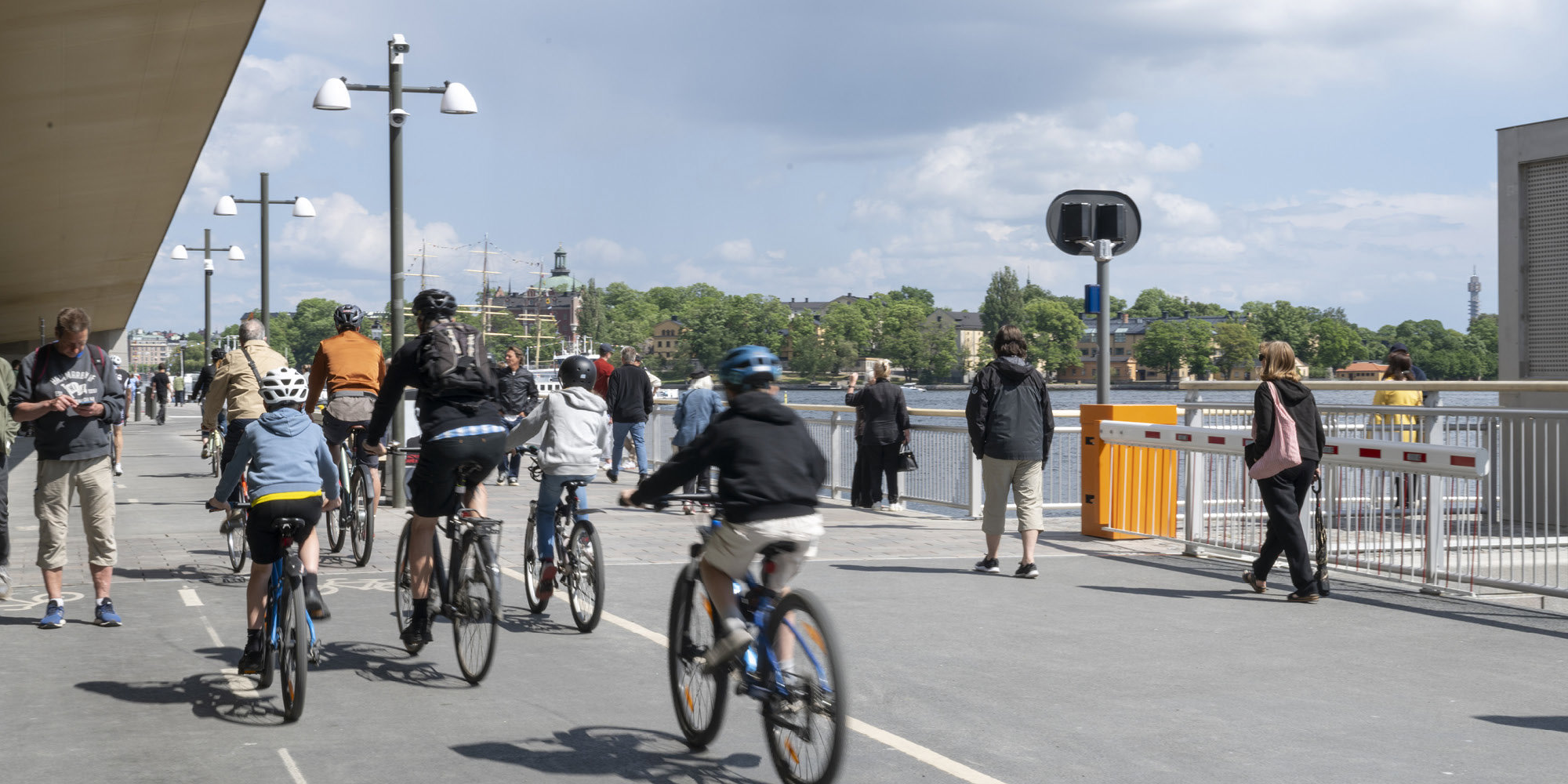
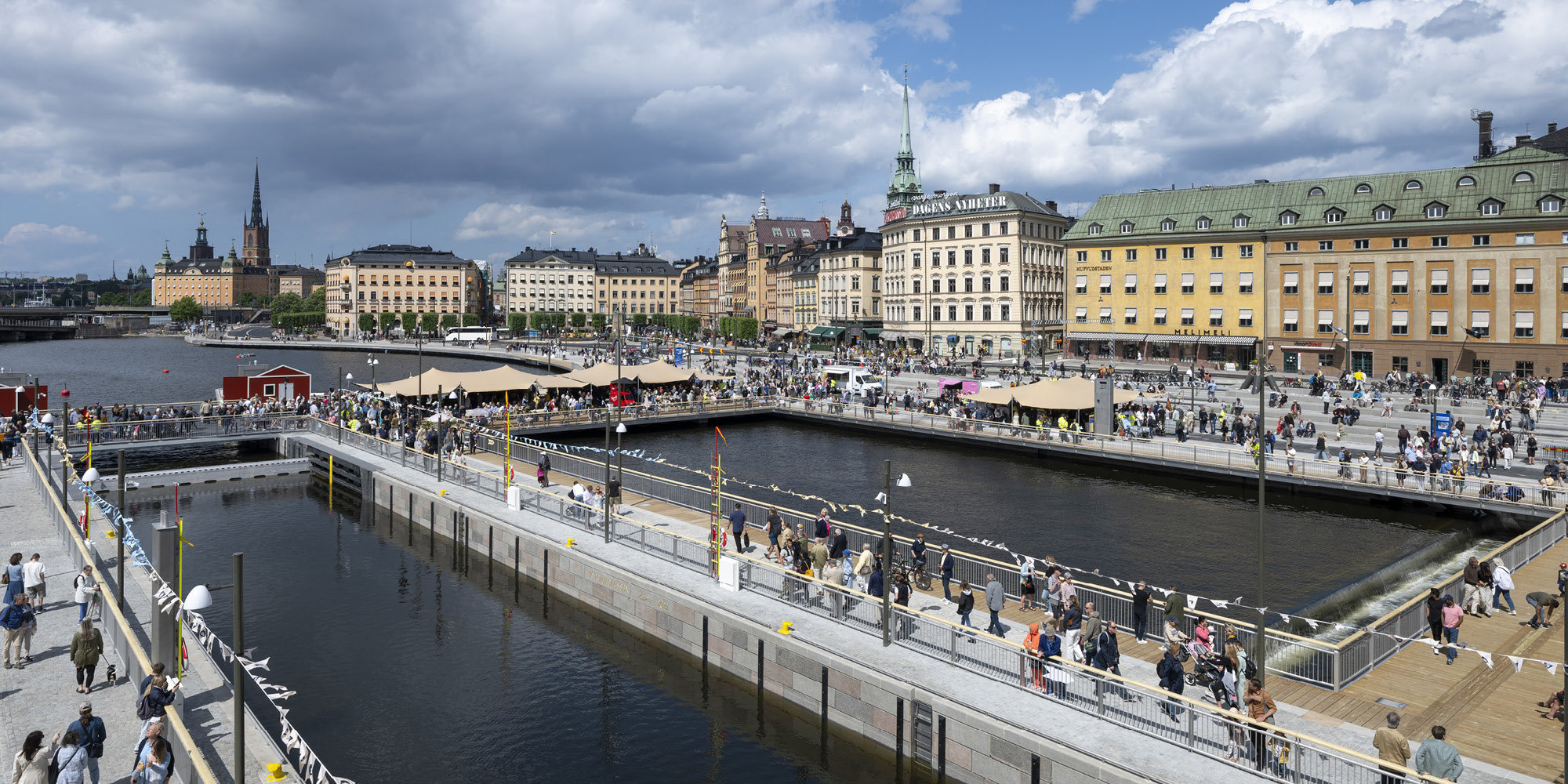
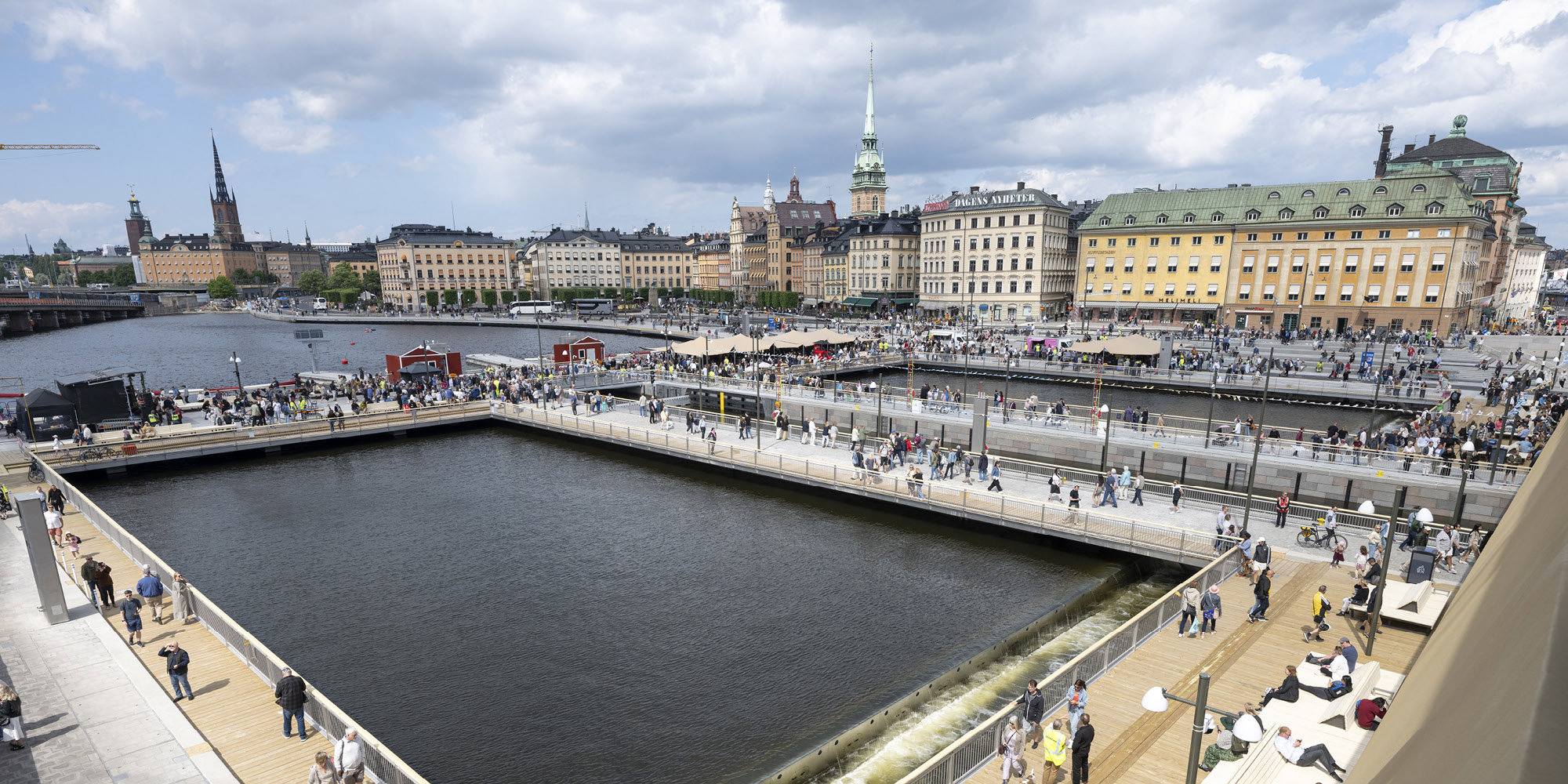
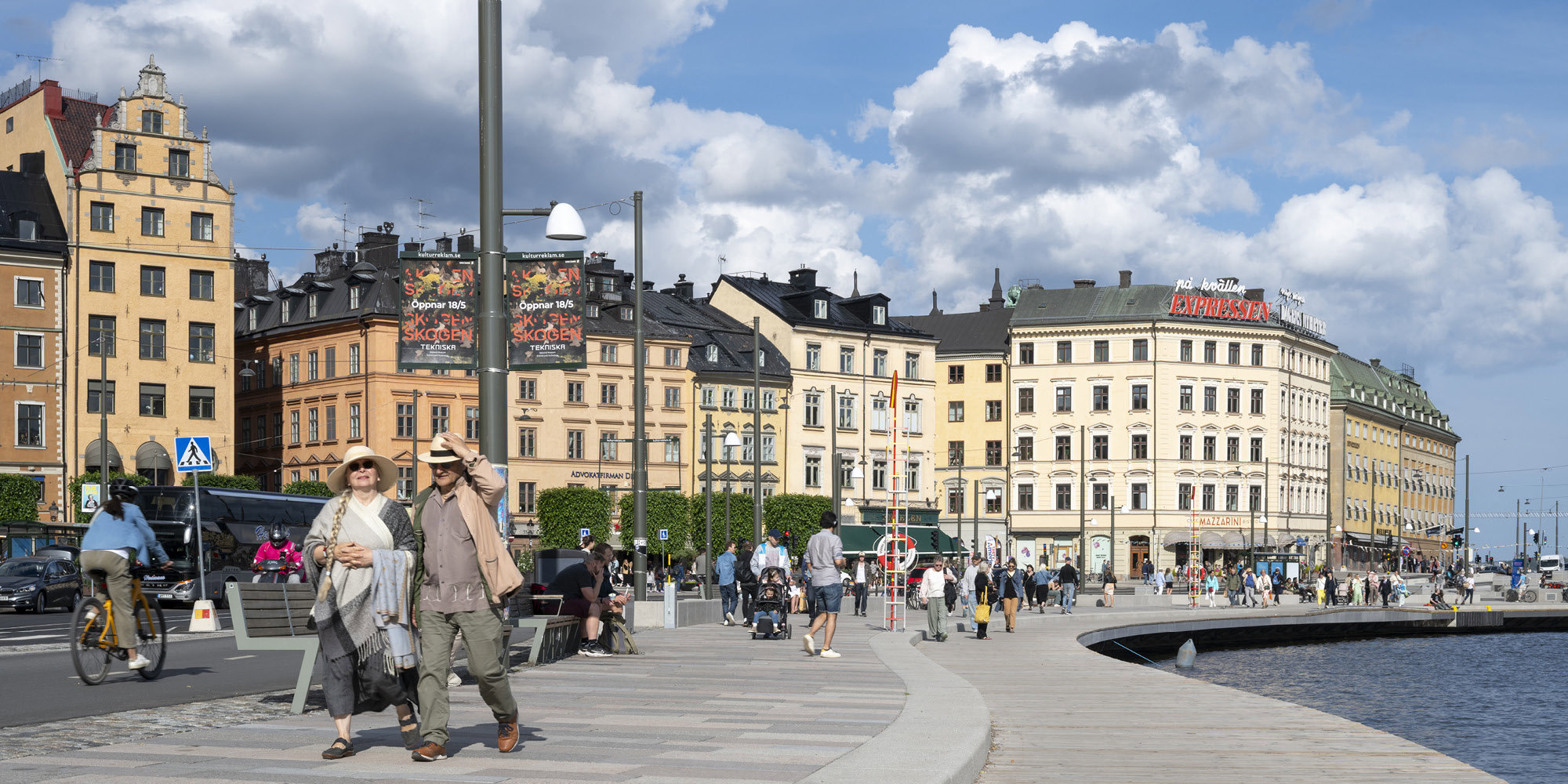
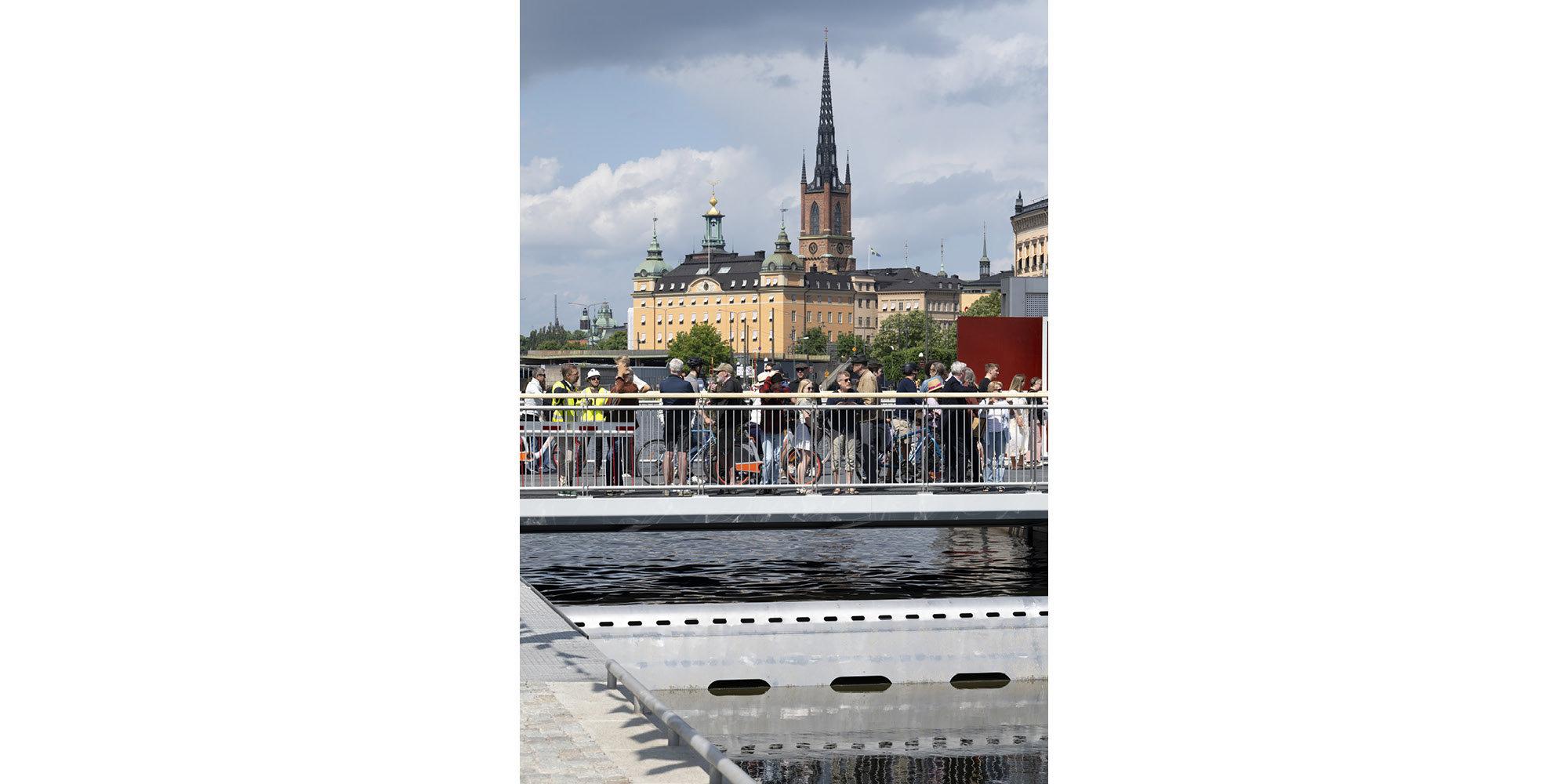
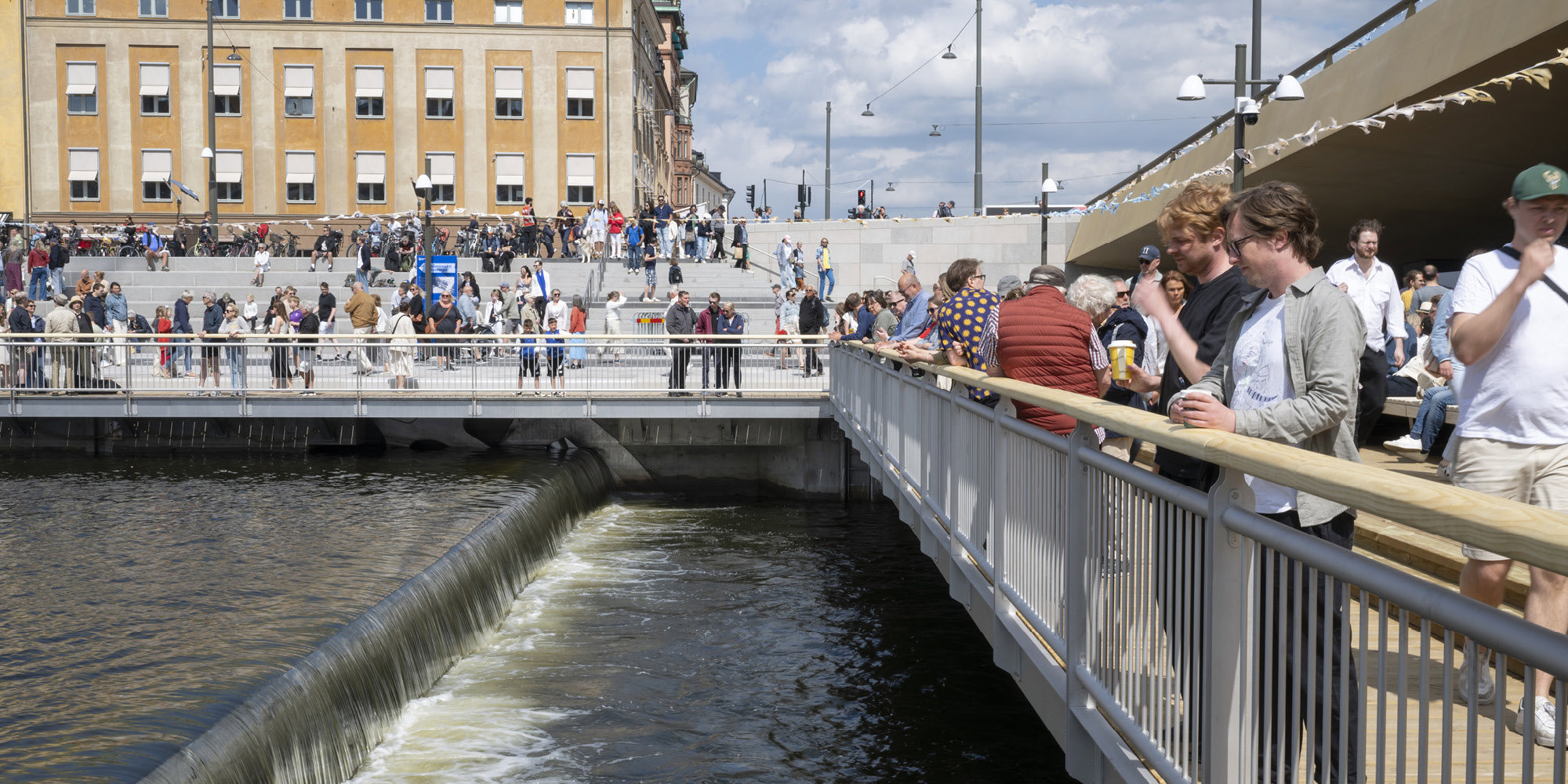
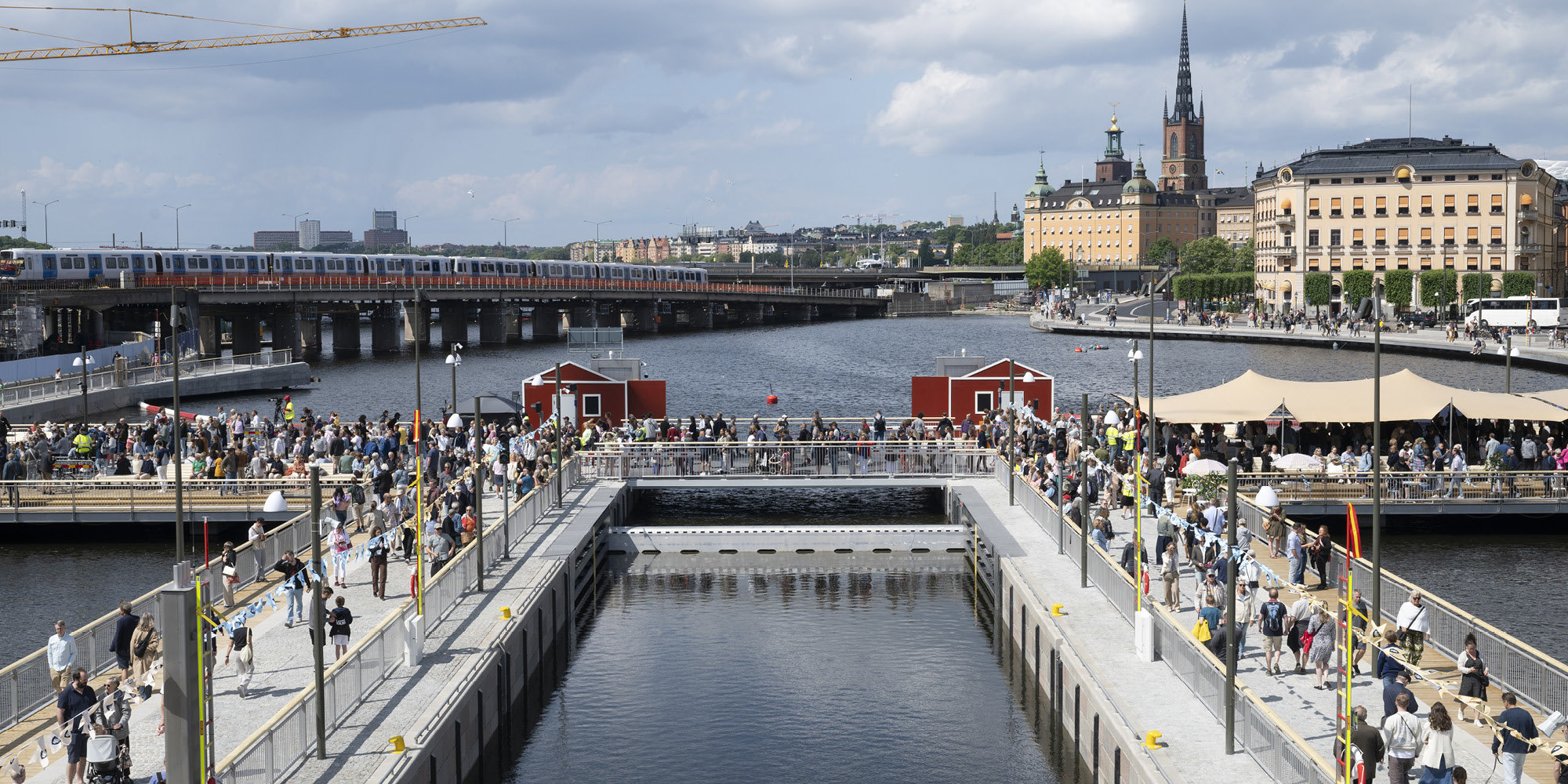
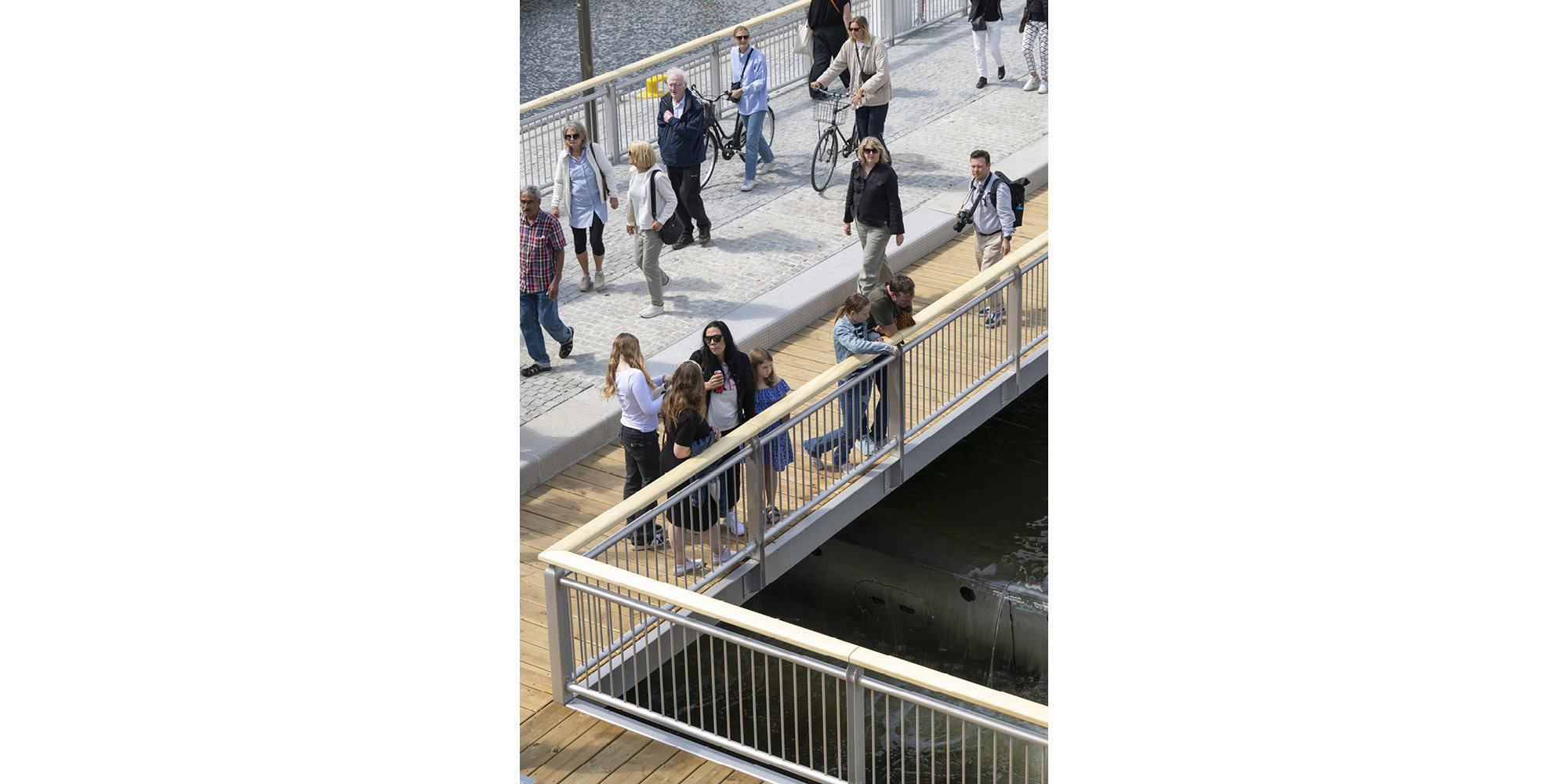
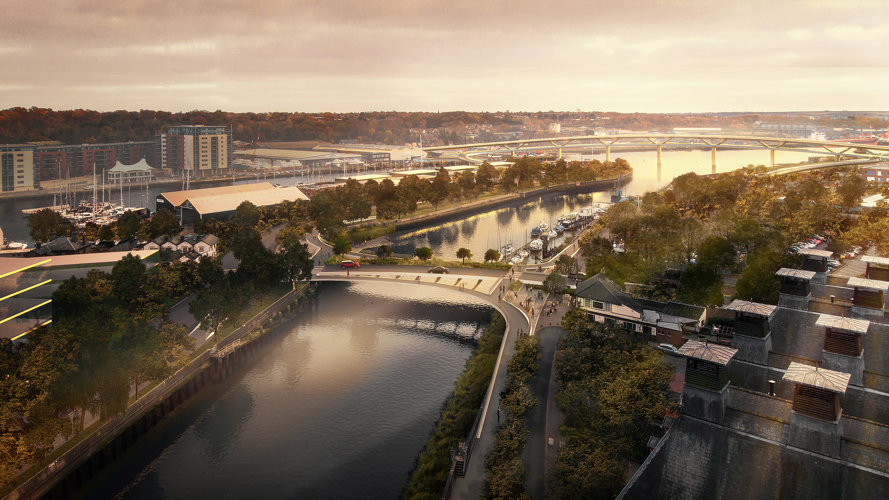
Opening in 2025, the new Water Plaza spans three channels of the Victoriaslussen (Victoria Lock) to create new pedestrian and cycle connections between the old town of Gamla Stan and the island of Södermalm. It also opens up new vistas, embracing the historic heart of the city. The Water Plaza is an integral part of the wider masterplan – which balances the space between pedestrians, cyclists, and road vehicles. The newly designed plaza increases the public realm by five-fold, including designated spaces for temporary installations and public art displays alongside newly developed hospitality spaces.
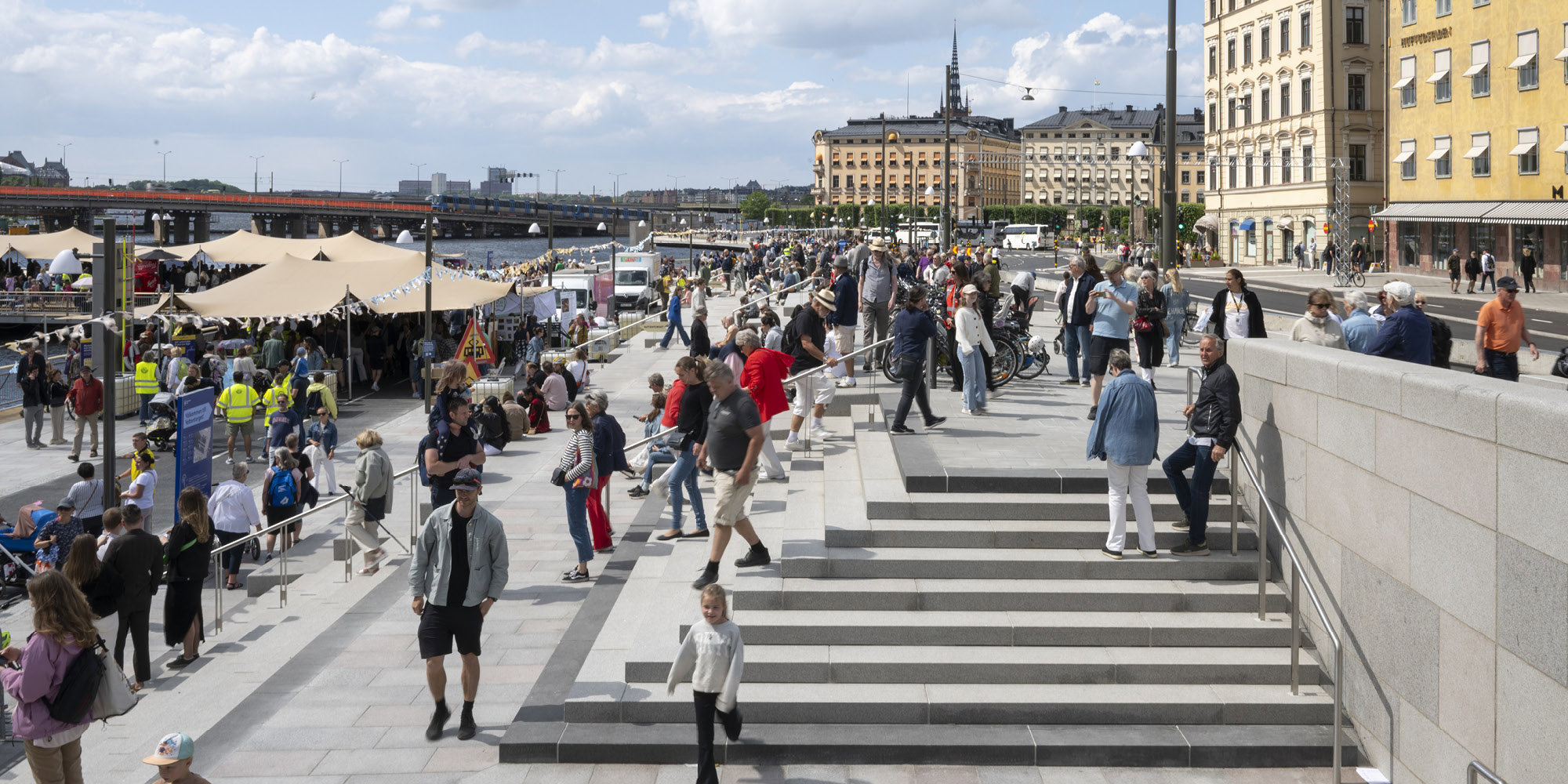
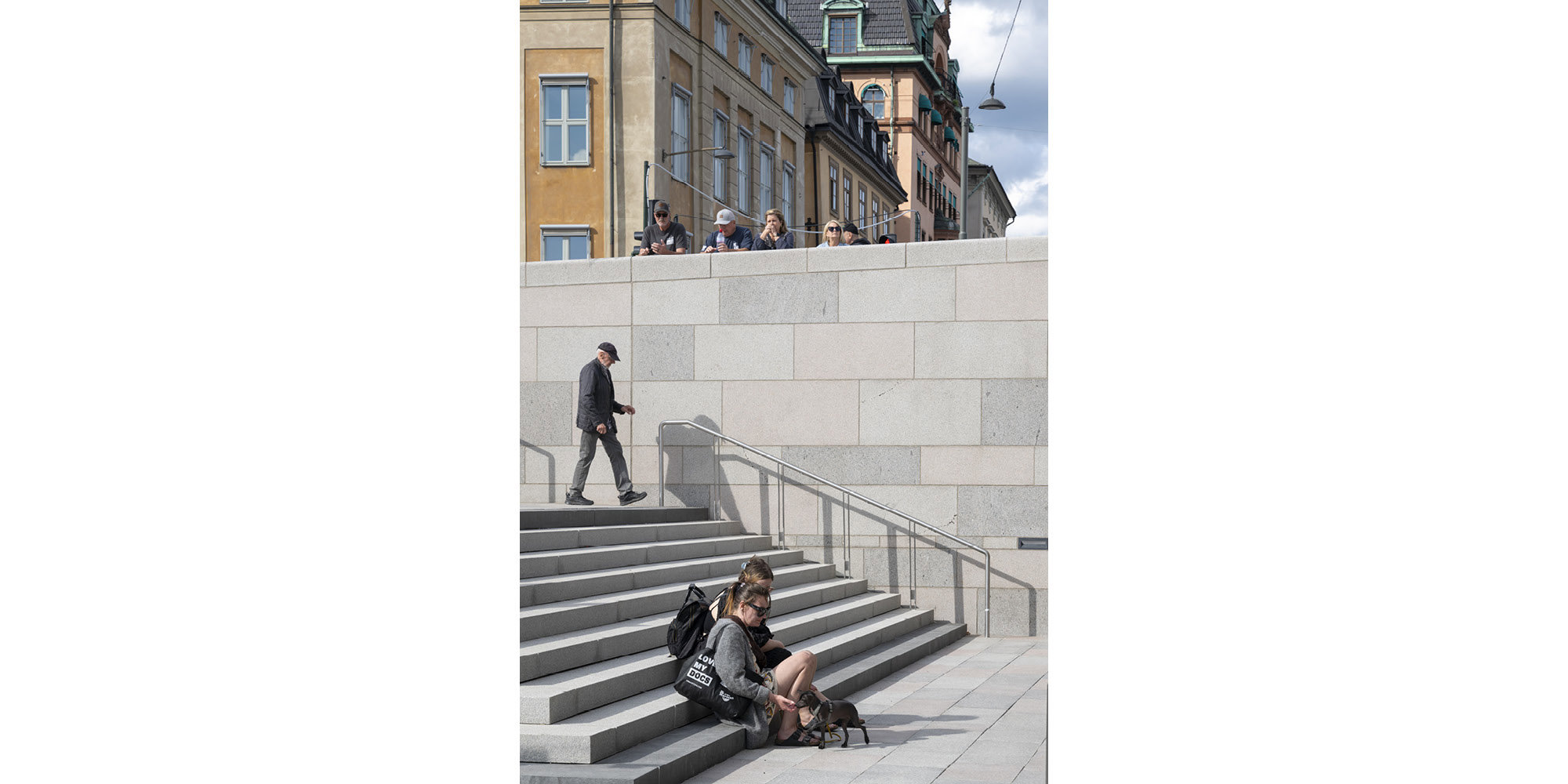
The second phase of the project was marked by the inauguration of the Mälaren Staircase at the centre of Mälarterrassen – a new public area comprising a terraced complex of cafes and restaurants designed by the practice. The staircase connects a large public plaza on the upper level (Södermalmstorg) with the quayside and the practice’s new Water Plaza that leads directly to Gamla stan.
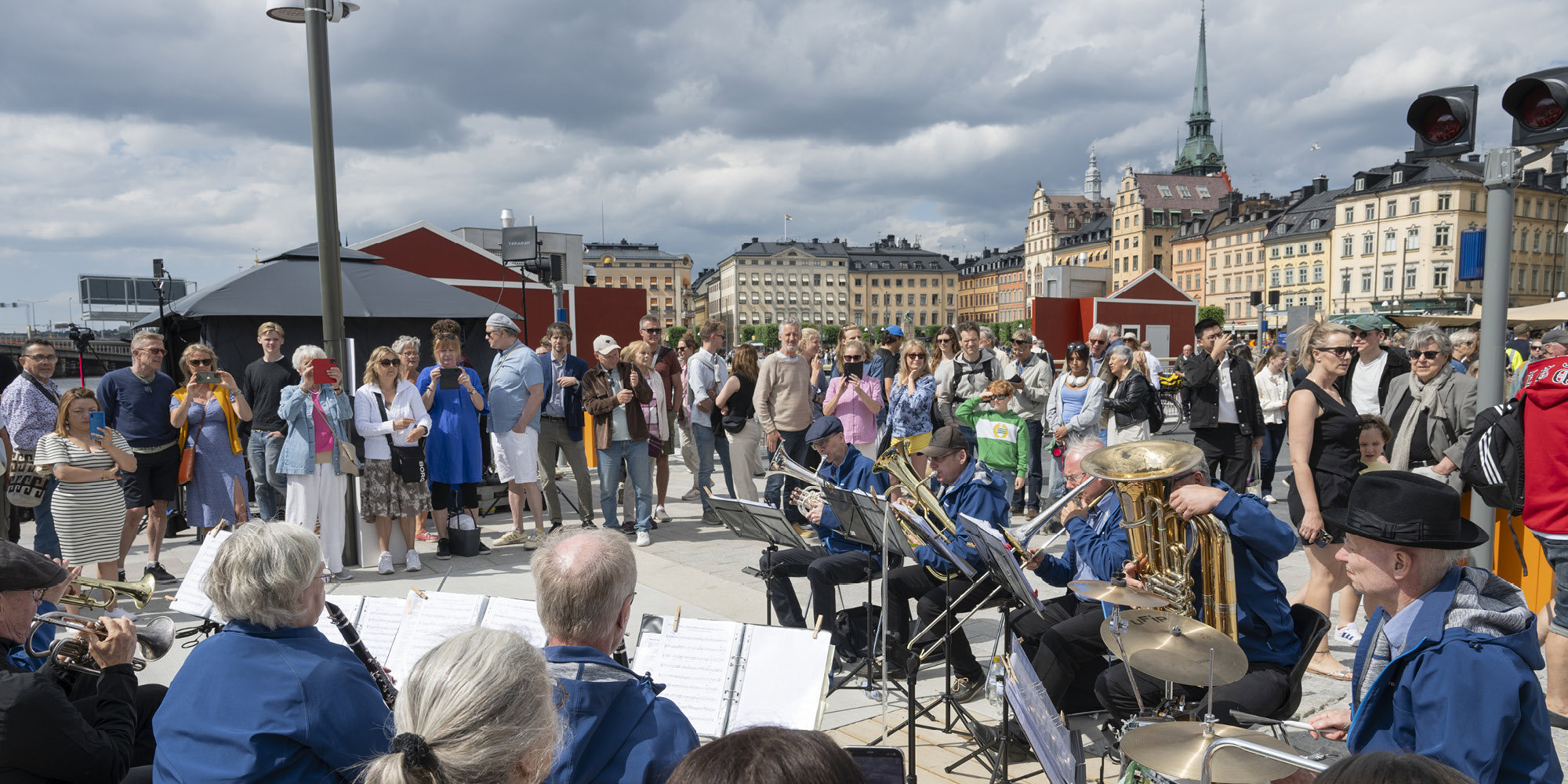
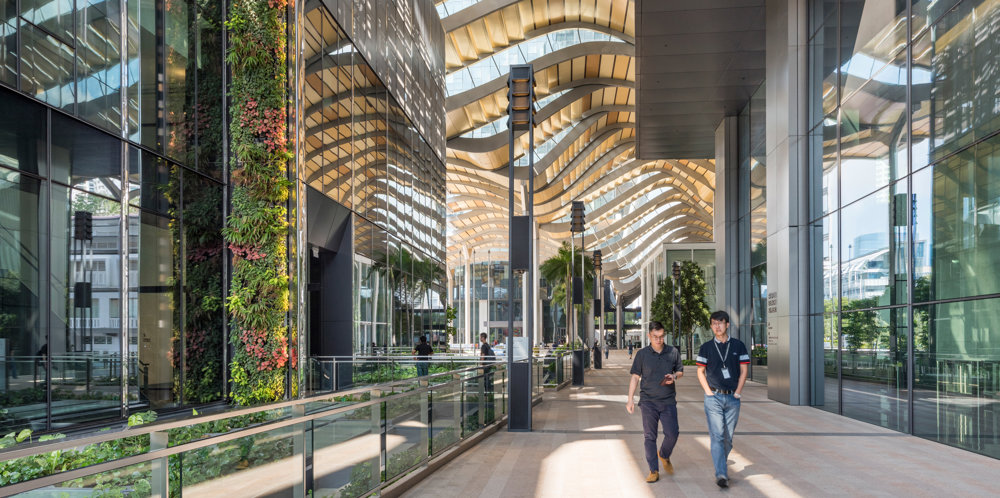
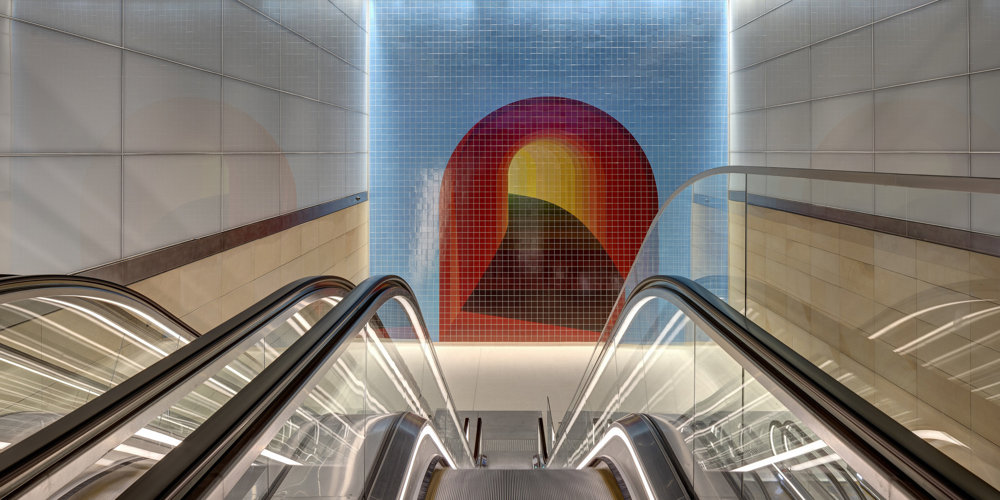
Echoing the site’s topography, Mälarterrassen nestles into the quayside granite wall of Lake Mälaren, with a series of public terraces orientated specifically to frame the panoramic views of Lake Mälaren, Saltsjön and the old town opposite. In addition to the central staircase, public escalators and lifts provide easy access from the plaza level to the quayside, while allowing natural daylight through to the external spaces facing north. The public plaza on the upper level has also been revitalised – and will become one of Stockholm’s largest public spaces for markets and events.
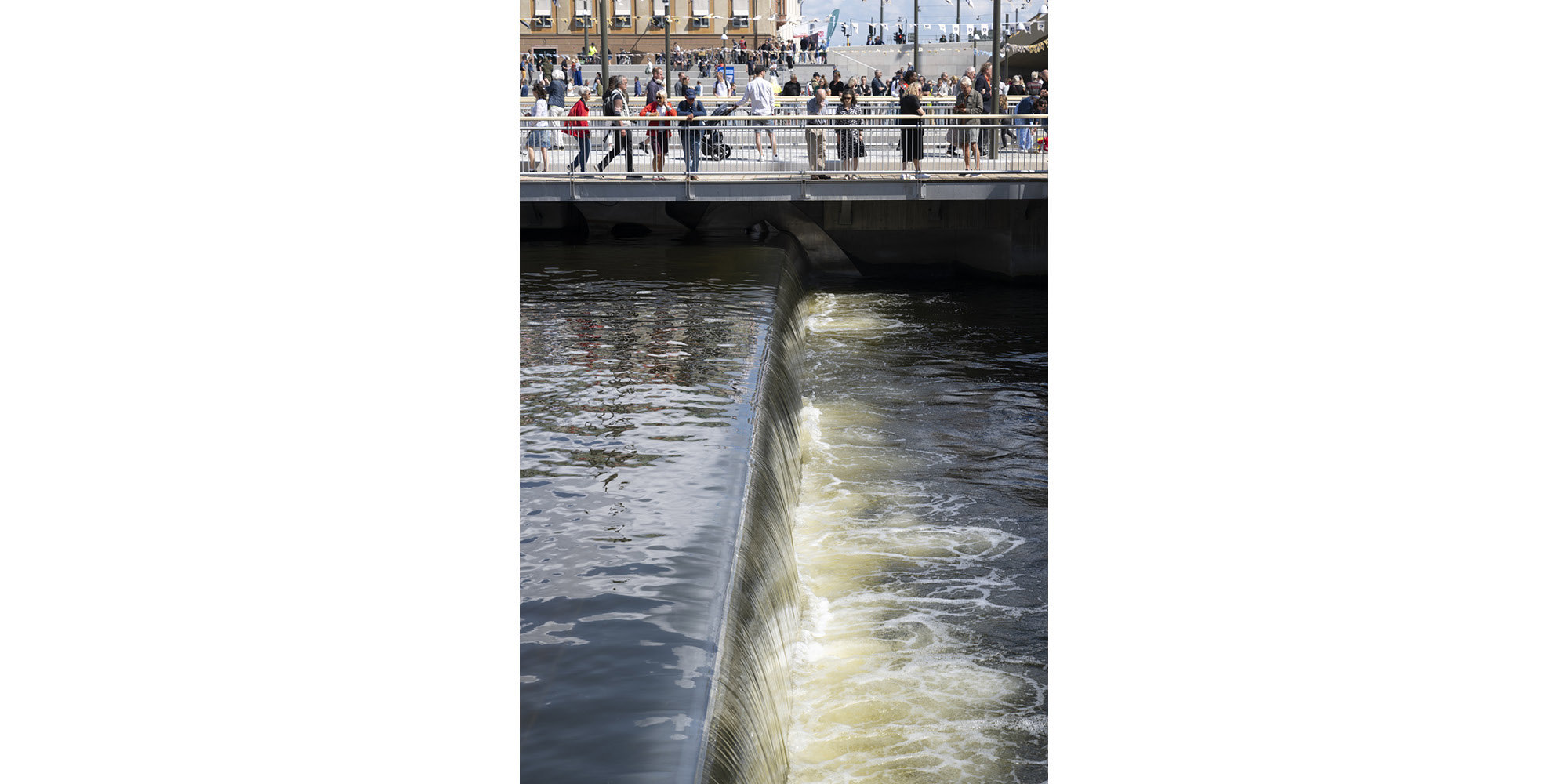
The scale and grain of the new urban plan deliberately preserves the city’s character and precious views and vistas at this historic location. This series of new public spaces, an accessible quayside, pedestrian and cycle routes seamlessly embolden the vital connectivity between the hip urban quarter of Södermalm and the closely packed 18th Century buildings of Gamla stan, transforming the once major traffic junction into the city’s new social meeting place. Foster + Partners' design recreates and reinforces pedestrian connections between these two districts that have long been separated by the maze of roads and concrete passages. It also transforms the existing infrastructure to minimise the threat of flooding by expanding the lock capacity five-fold and providing a 21st century transport interchange.